COMLEX Level 1
Prep for COMLEX® Level 1 in one place
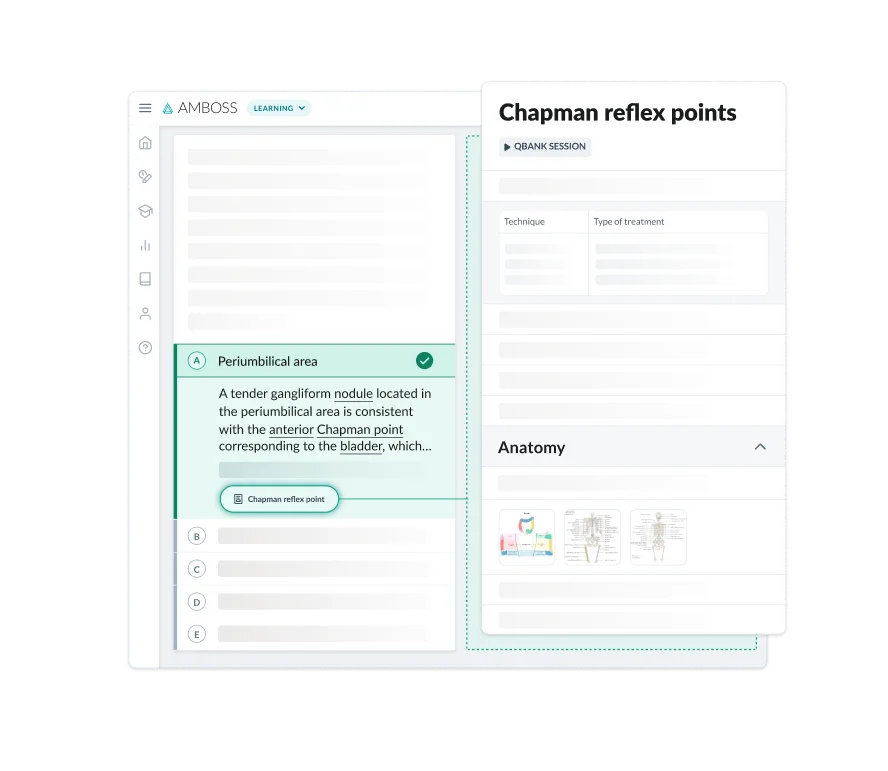
Work through a Qbank written on the NBOME blueprint, open the Library article behind any answer, and pull the matching AnKing cards straight from the question.

2,900+
COMLEX Level 1 practice questions, written and reviewed by physicians
2 out of 3
US medical students use AMBOSS to prepare for their exams
120+
High-yield OMM concepts in one study plan
TRUSTED AT TOP SCHOOLS ACROSS THE COUNTRY






The Connected Study System
You don’t need more study tools. You need them working together.
Practice COMLEX-specific questions
Understand with the Library
Retain with Anki cards
Track your readiness in real time
Comparison
Why DO students choose AMBOSS
Full COMLEX-specific and USMLE Qbanks in one account, so dual prep requires no second resource
Built for USMLE first. A Step Qbank with a separate OMT questions add-on
Integrated with Anki and other tools you love
Proprietary flashcard systems. No integration with the AnKing deck
Real-time readiness tracking, updated after every session
Exam readiness only as a predicted score at one point in time
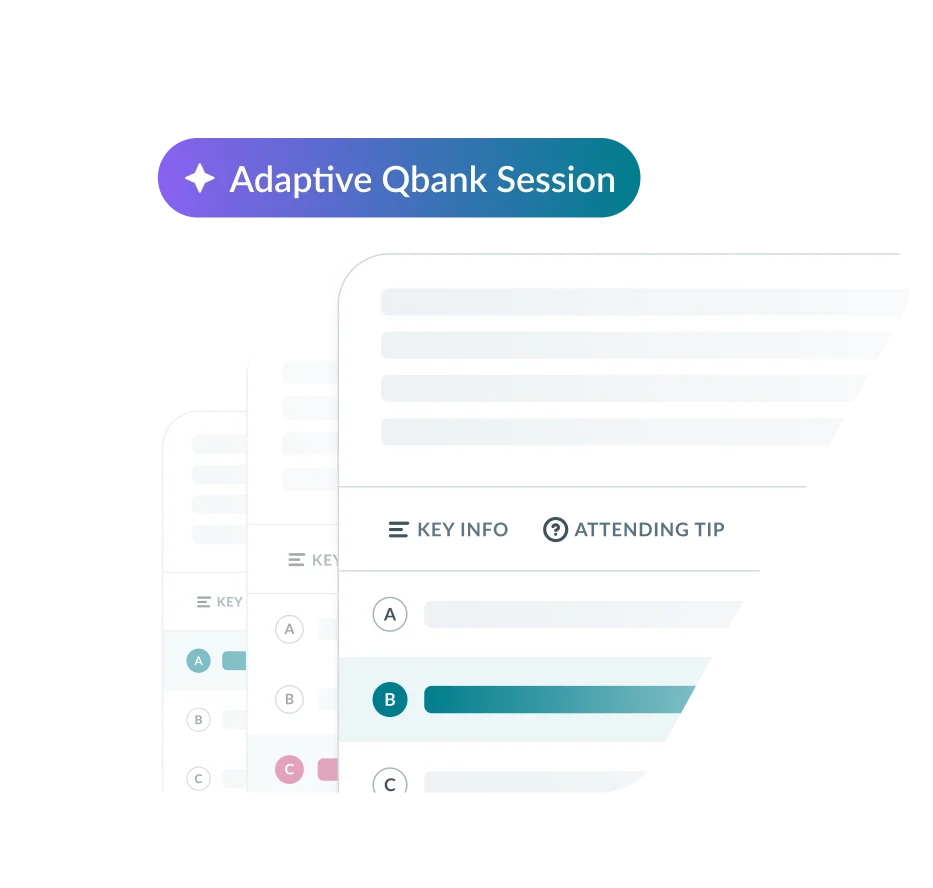
Personalized study sessions built around your most exam-relevant knowledge gaps
You choose the filters; the Qbank doesn’t know your gaps.
Readiness
Know where you stand before test day
See how ready you are for Level 1 at any point in your prep, from your first question session to the week before the exam, and where to put the study time you have left.
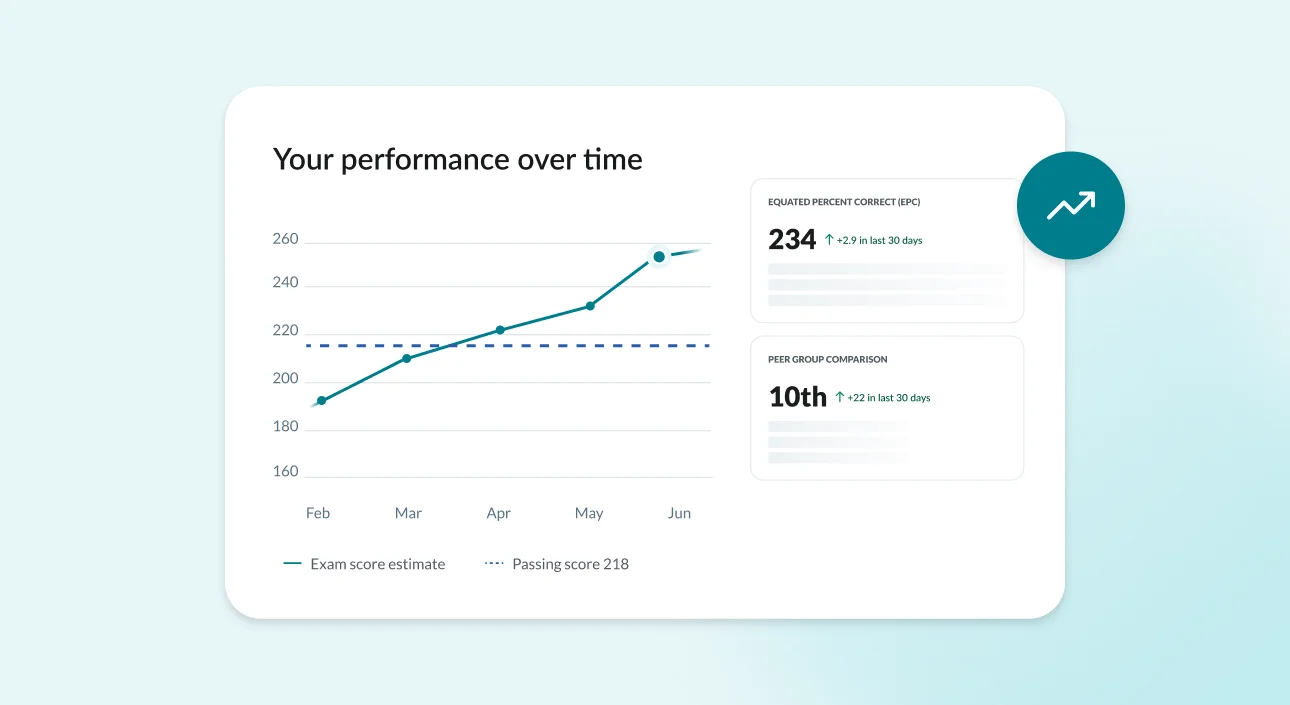



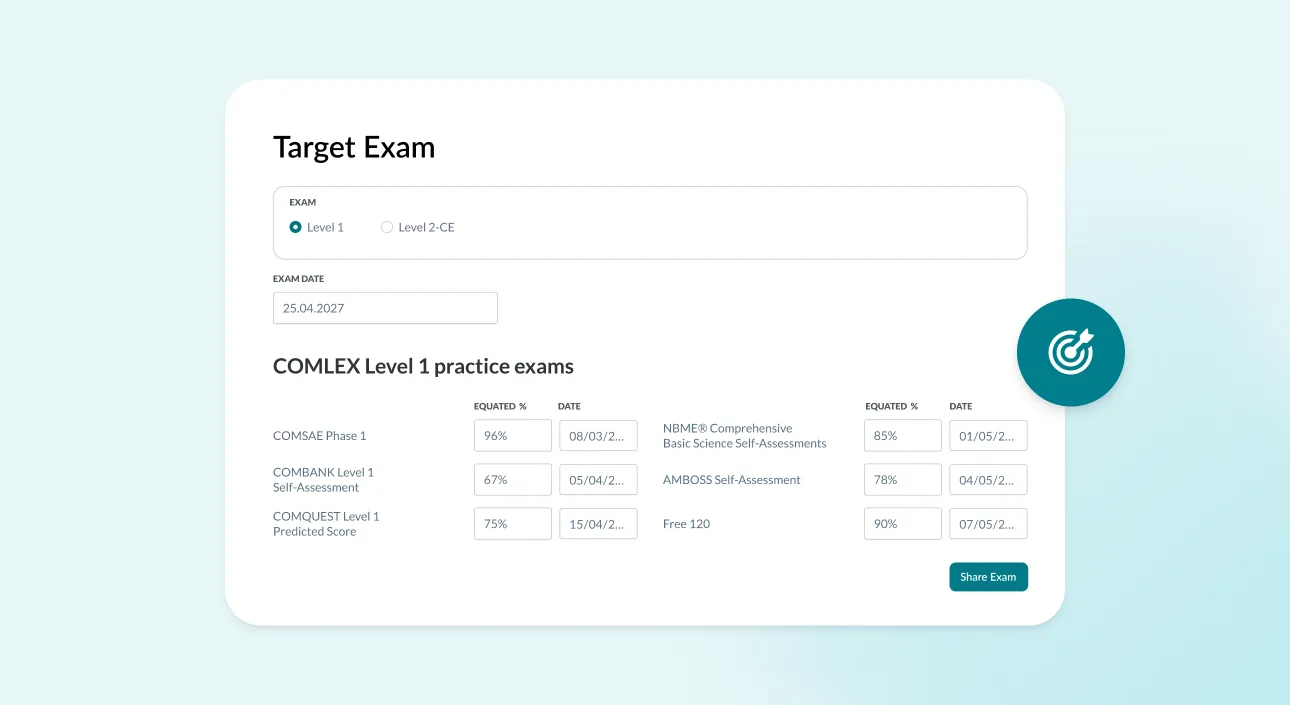
Track your progress as you practice
Watch your predicted percentage correct on Level 1 change after every question session. Unlike a simple percentage score, Equated Percent Correct (EPC) accounts for each question’s difficulty and how heavily its topic is tested on COMLEX. Missing a high-yield concept matters more than getting a rare detail wrong, giving you a more meaningful picture of your exam readiness.
Check your pacing before the real exam
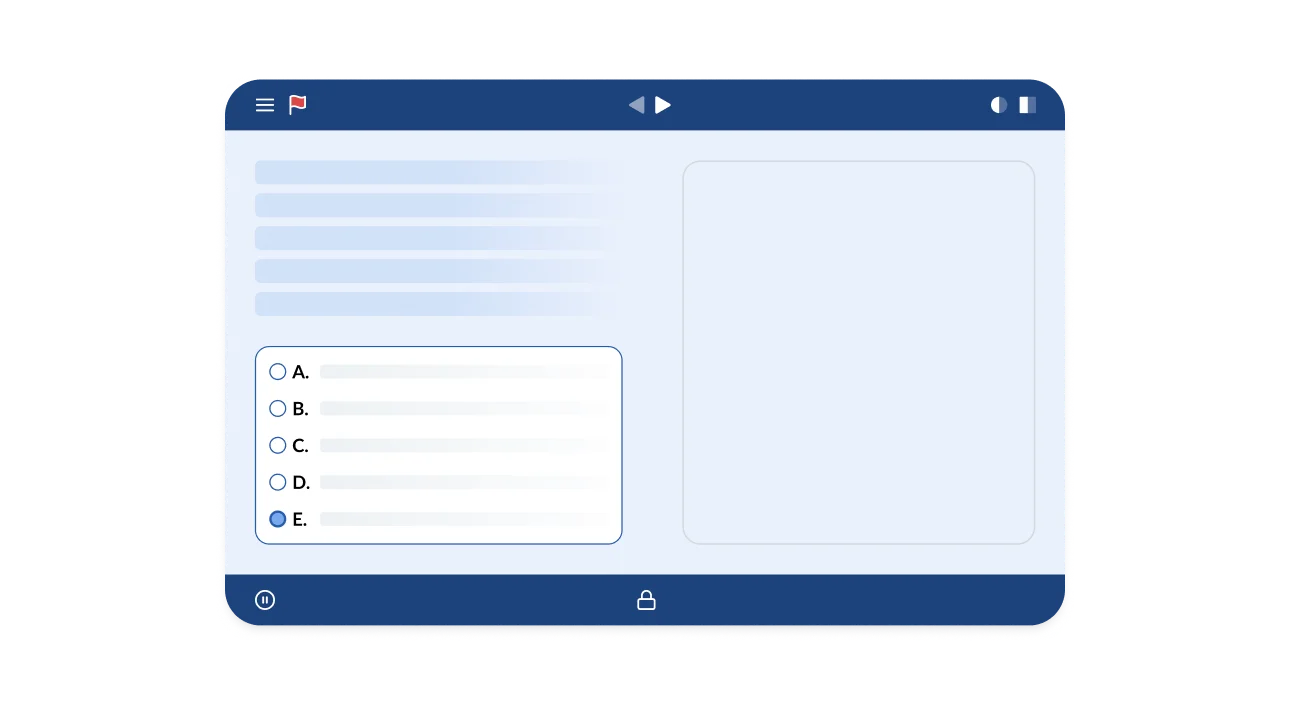
Take a timed practice exam to see how your pacing and stamina hold up under exam conditions. Taking COMLEX only? Sign up to hear when the next COMLEX Level 1 Self-Assessment opens. Taking Step 1 as well? The Step 1 Self-Assessment is 160 questions, timed, in the NBME format.
Predict your score from your practice exams
Add your COMSAE results and other practice exam scores, and the COMLEX Score Predictor turns them into your probability of passing and a predicted score for Level 1.
Next Steps
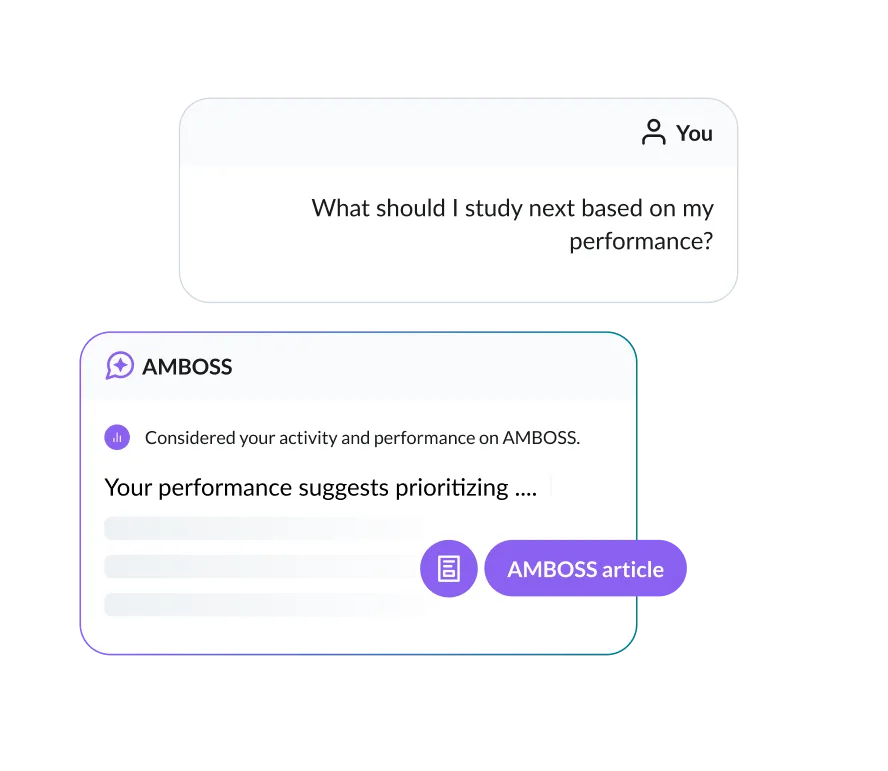
Always know what to study next
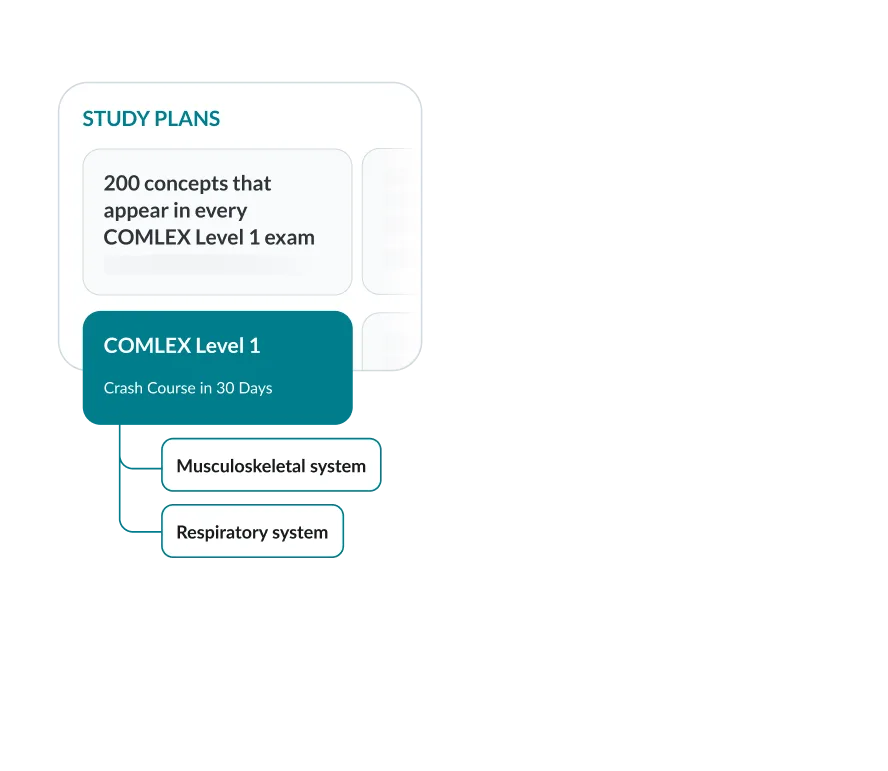
Follow structured study plans for COMLEX Level 1, from the 200 concepts that appear on every Level 1 exam to high-yield OMM, in a logical order so you don't miss anything important.





“The platform you're building your foundation on now is the one you'll still reach for when the questions get real.”
Divya Seth, DO
Editorial Manager, US Medical Educational Division

Integrations
Keep your Level 1 prep going wherever you already study
Anki integration
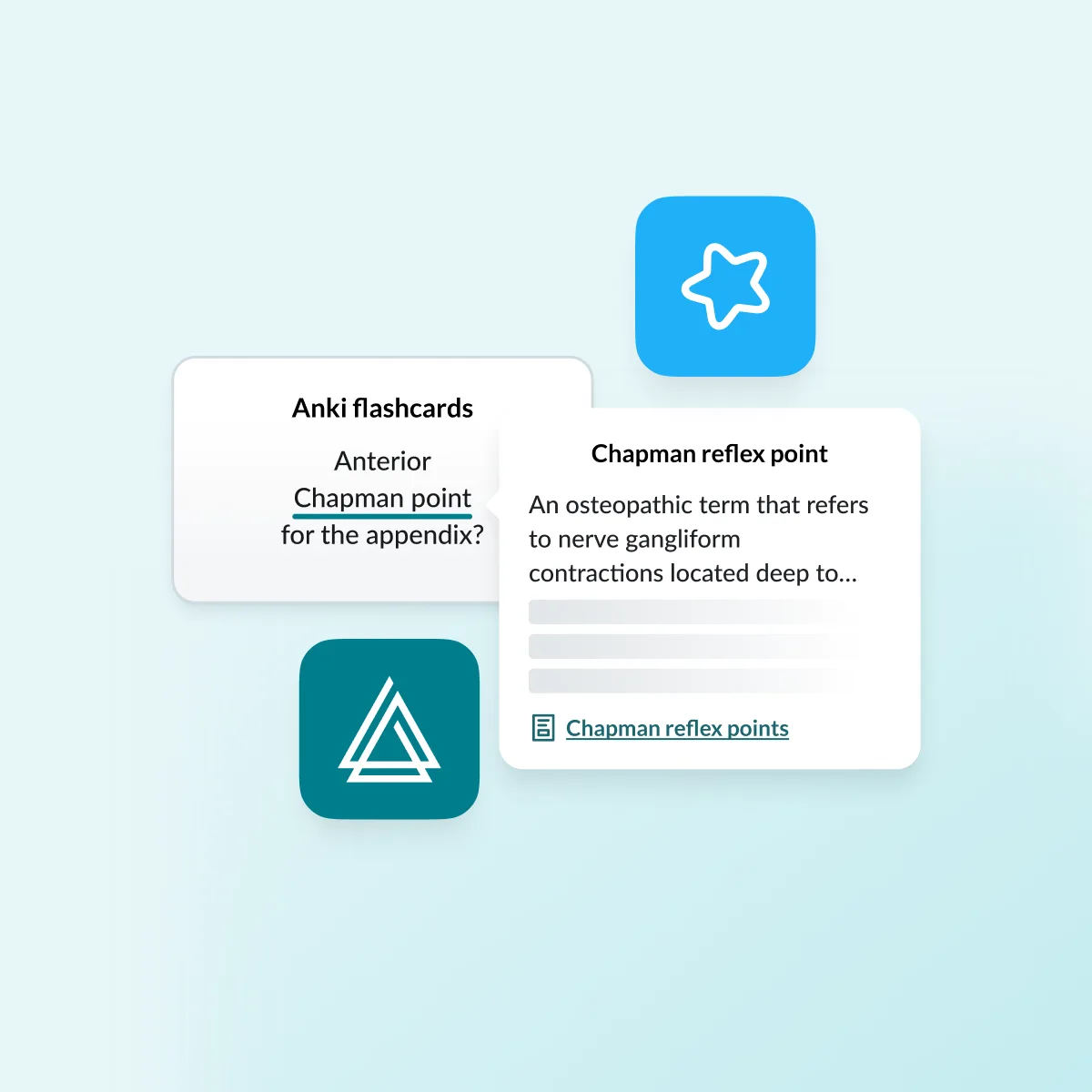
Connect your AnKing cards and Qbank
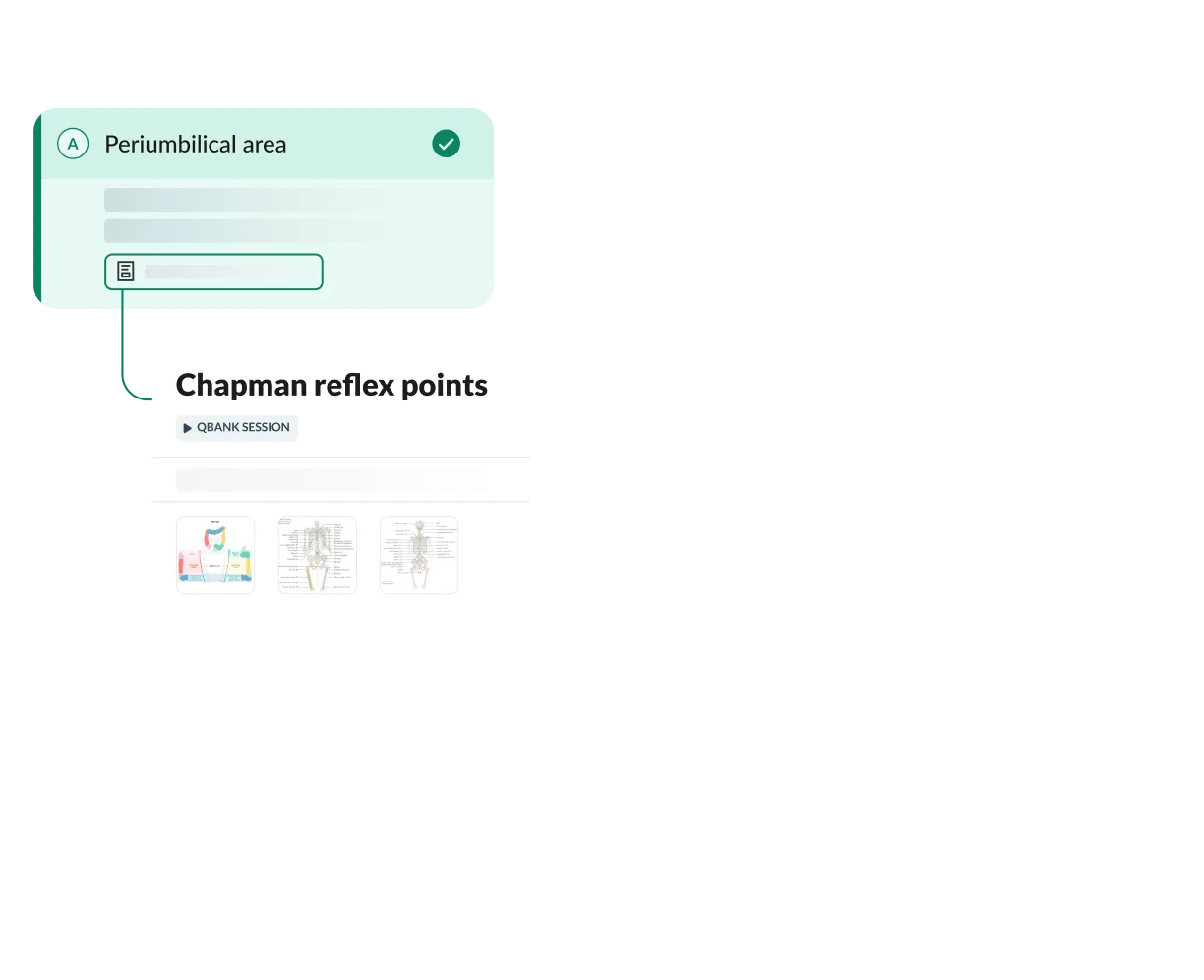
Miss a question on viscerosomatic reflexes? Find the matching AnKing cards right from the question. Or hover over a card in your deck for the AMBOSS explanation, and start a Qbank session from it with the Anki add-on.
Chrome extension
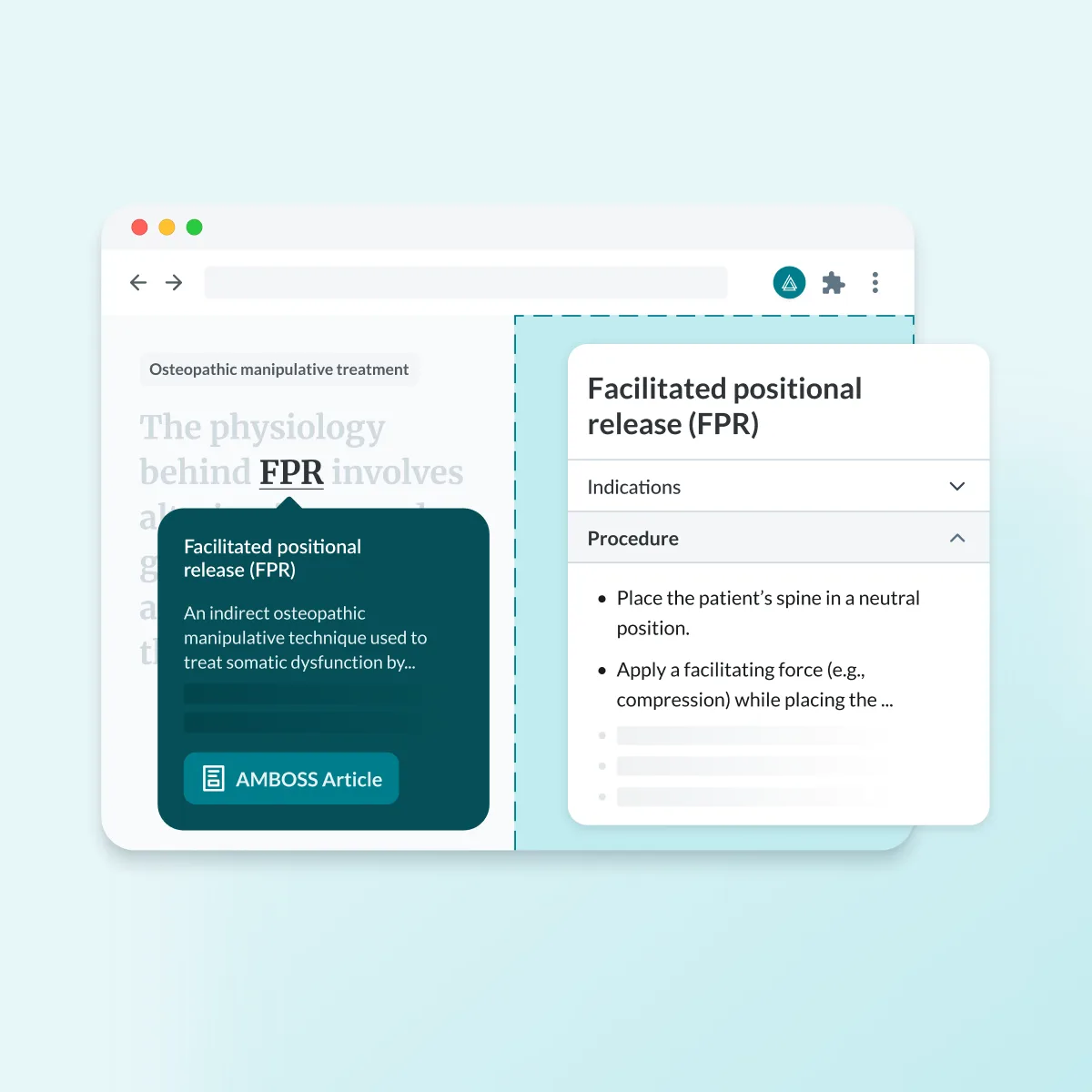
Look up terms without switching tabs
Look up any term in a lecture PDF or journal article by hovering over it, and read the AMBOSS Library definition without opening a new tab with the Chrome extension.
AMBOSS App
Study anytime, anywhere
Review an OMM technique in the Library, offline too, and do a few Level 1 questions online when ten minutes free up. Progress syncs with the web, so your readiness picks up where you left off, in the app.
Peer Voices
Trusted by your peers who don’t trust lightly
FAQ
Your Level 1 prep questions answered
AMBOSS has 2,900+ practice questions written for COMLEX Level 1, with OMM inside the clinical vignettes the way the exam tests it.
Every question links to the physician-written Library article behind the answer, and the same membership with the Qbank add-on also covers Level 2-CE, Level 3, COMAT, and the USMLE Qbank if you're taking both exams.
Yes. The AMBOSS COMLEX Level 1 Qbank follows the NBOME blueprint (the Master Blueprint) in both dimensions: the seven competency domains, including osteopathic principles and OMM, and the ten clinical presentations by organ system.
A question session distributes its questions the way Level 1 does, and your readiness tracking is measured against COMLEX-specific expectations, not USMLE ones.
Yes. AMBOSS has eight study plans for COMLEX Level 1: 200 Concepts That Appear in Every COMLEX Level 1 Exam, a 30-day crash course for your dedicated study period, High-Yield Osteopathic Manipulative Medicine, and DO-specific high-yield plans for biostatistics and epidemiology, risk factors, ethics, table-based questions, and nutrition.
Each plan lists the questions and Library articles to work through in order, and your progress updates as you go. Pick the plan that matches your timeline, or combine them: the 200 concepts plan during coursework, then the 30-day crash course once dedicated starts.
COMLEX Level 1 is pass/fail. The NBOME converts your raw score to a standard score and reports a pass or fail against a passing standard of 400; no three-digit score goes to residency programs.
Most first-time test-takers pass, and the NBOME publishes the pass rate for each testing cycle on its examination performance data page. If you fail, you can retake Level 1 in a later testing window, subject to NBOME's retake rules.
COMLEX Level 1 has 320 questions in 8 sections of 40, taken in two 4-hour sessions on one day. Including the 16-minute tutorial and 60 minutes of pooled break time, plan for about nine hours at the test center.
The NBOME reduced the exam from 352 to 320 questions for test dates from May 2026 on. A small number of unscored pretest items (experimental questions) are mixed in with the scored ones, so answer every question as if it counts.
COMLEX Level 1 scores are usually released two to six weeks after the end of your testing window, by email from the NBOME. Because Level 1 is pass/fail, there is no percentile to reach: you pass by meeting the standard score of 400.
Your score report includes a Formative Performance Profile that compares your performance by content area with other first-time test-takers who passed, which is the closest thing to a percentile you'll see. Check the NBOME testing windows and score release page for your exact date.
Bring an unexpired government-issued photo ID that matches the name on your NBOME registration and your scheduling permit; the test center provides everything else, and personal items stay in a locker.
For test dates after May 7, 2026, the NBOME's new break structure gives you 60 minutes of pooled break time across more scheduled break opportunities between sections than before, so you can rest after shorter stretches of testing. Any break time beyond the 60 minutes comes out of your remaining testing time.